 Editorial Team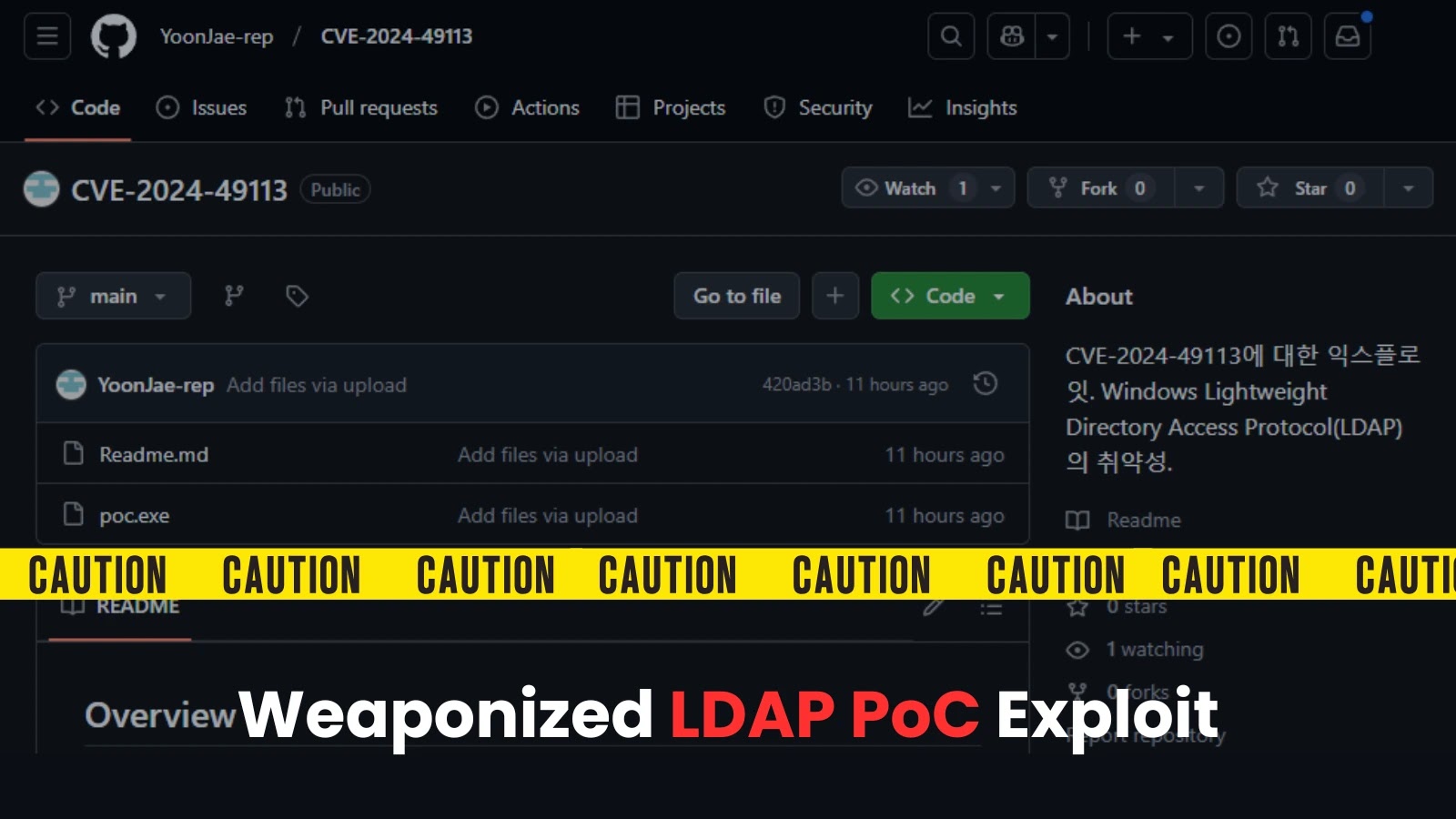
In a striking new development, security researchers have been deceived into downloading a malicious proof-of-concept exploit for CVE-2024-49113, informally referred to as LDAPNightmare. This intriguing case illustrates the sophisticated tactics attackers are employing to leverage known vulnerabilities for malicious purposes, raising important questions for developers regarding security practices and code integrity.
LDAP (Lightweight Directory Access Protocol) is commonly used for various directory services, and its vulnerabilities have implications in many enterprise environments. This incident not only emphasizes the critical need for developers to stay informed about vulnerability disclosures from trusted sources but also highlights the necessity of rigorous testing and validation of any PoC code before execution within development or staging environments.
For developers working with LDAP integrations, it is essential to familiarize themselves with the specifics of CVE-2024-49113 and similar vulnerabilities. Utilizing resources like the National Vulnerability Database can help in understanding the underlying issues, and associated mitigations can be integrated into your software development lifecycle (SDLC).
Additionally, implementing strict code review processes and leveraging static code analysis tools can enhance your application’s resilience against such exploits. Developers should consider incorporating runtime application self-protection (RASP) during the testing phase, which can help in identifying and mitigating threats proactively.
As the landscape of cybersecurity threats continues to evolve, developers must remain vigilant. Incorporating training sessions focused on security best practices and threat modeling can cultivate a culture of security awareness within development teams. By staying informed and adopting proactive measures, developers can significantly reduce the attack surface of their applications.
Moving forward, it will be crucial for the developer community to advocate for enhanced security protocols not only during the development phase but also throughout maintenance and deployment processes. Continually monitoring known vulnerabilities and regularly applying security patches is essential in protecting applications from exploitation.
For further insights, developers are encouraged to explore the comprehensive resources available through platforms such as OWASP’s Top Ten, which provides crucial information on the most common vulnerabilities and how to defend against them.


