 Editorial Team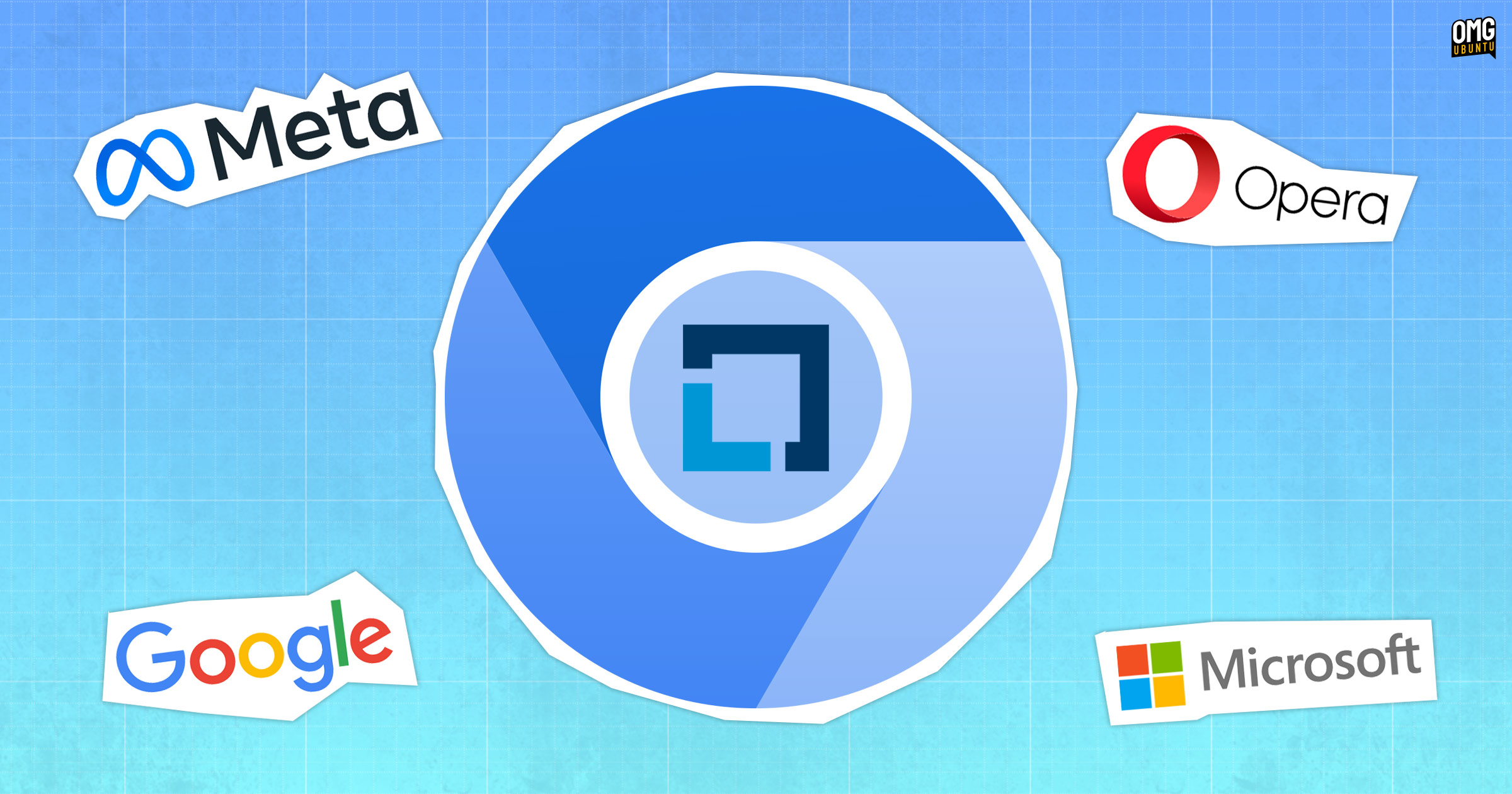
For developers, this collaboration represents an opportunity to influence the direction of web standards and browser capabilities. As the ecosystem around Chromium continues to evolve, developers can leverage the improvements made possible by this group to enhance their applications and create more consistent user experiences across different platforms.
The collective expertise of the participating organizations is expected to lead to more robust contributions to the open-source community, particularly in areas such as performance optimization, security enhancements, and interoperability between different browsers. Developers should stay informed about the changes and updates that stem from this collaboration, as they could directly impact coding practices and application design choices. For instance, with potential optimizations in rendering and JavaScript performance, developers may find opportunities to refactor existing applications or build new features that take advantage of these improvements.
Additionally, the group’s focus on advancing web standards is critical, as it aligns with the ongoing shift towards more collaborative approaches in web development. With the rise of frameworks and libraries that rely heavily on browser compatibility, having a unified approach to Chromium’s development could reduce the friction developers face when ensuring their applications work seamlessly across different platforms.
As this group settles into operation, developers would do well to track relevant discussions and outcomes through channels like the Chromium Blog and the official Chromium documentation. Engaging with these resources not only fosters a better understanding of emerging trends but also empowers developers to adapt their workflows accordingly and contribute to discussions that shape the future of web development.
This strategic partnership serves as a predictor of a trend towards open collaboration in developing essential web technologies. As browsers continue to evolve and adapt to the ever-changing digital landscape, developers can play a crucial role not just in adopting these changes but also in advocating for features that enhance usability and performance.
In summary, the formation of the Supporters of Chromium-Based Browsers group signals a promising future for web developers, characterized by greater cooperation and innovation in browser technology. Keeping a close watch on developments from this collaborative effort will ensure that developers can remain at the forefront of industry advancements.
For more information, visit the official Chromium documentation and follow the Chromium Blog for updates.


