 Editorial Team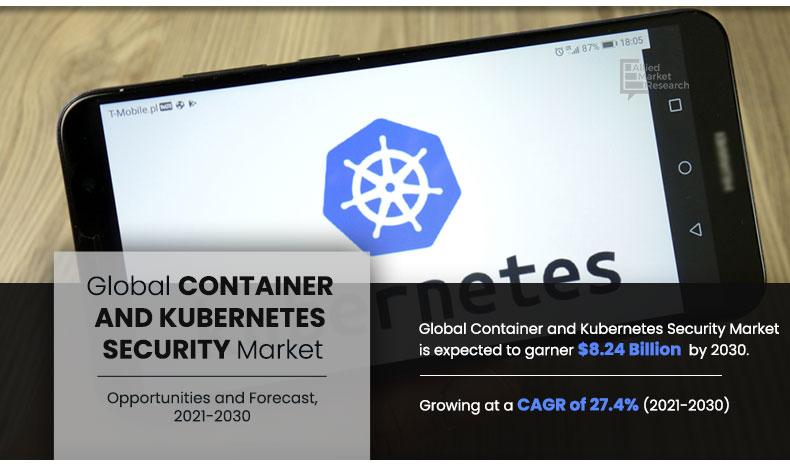
The container and Kubernetes security market is witnessing a significant transformation as businesses increasingly adopt cloud-native architectures. This shift not only modernizes their infrastructure but also brings to the forefront the critical need for robust security frameworks tailored for containers and orchestration platforms like Kubernetes.
For developers, this evolving landscape offers opportunities to integrate advanced security practices into their workflows. The rise of containerization—enabled by solutions like Docker—accompanies the deployment of microservices, which necessitates a shift from traditional security models. Developers should focus on embedding security during the software development lifecycle (SDLC), often referred to as DevSecOps, which emphasizes the importance of incorporating security measures right from the planning and development phases.
One key trend is the growing emphasis on automated security tools that can be seamlessly integrated into CI/CD pipelines. These tools, such as Snyk or Aqua Security, scan for vulnerabilities in container images and can automatically block or alert developers about security issues before they deploy to production. This proactive approach not only reduces risk but also speeds up the release cycle, fostering a culture of security-first development.
Nonetheless, developers face significant challenges within this domain. As containers are ephemeral and can be spun up or down at a moment’s notice, maintaining visibility and control becomes complex. To combat this, leveraging service mesh technologies, such as Istio, can assist in managing communications between microservices, enforcing policies, and enabling consistent security controls. Furthermore, adopting a zero-trust security posture—wherein services are authenticated and authorized regardless of their location—will be essential as container deployments scale.
Looking towards the future, the container and Kubernetes security market is projected to expand rapidly, driven by increased awareness of threats and the growing complexity of modern applications. Developers should stay abreast of evolving security standards and frameworks, such as the Open Web Application Security Project (OWASP) Top Ten for containers, which provides essential guidance on risks associated with containerized applications. Regularly consulting resources such as the Kubernetes documentation on security best practices can also enhance a developer’s security knowledge.
Ultimately, as the market continues to mature, the emphasis on security in containerized environments will not just be a trend but a foundational element of software architecture. Developers who proactively embrace these changes will be better positioned to protect their applications and contribute to the overall security of their organizations.


