 Julian Clark
“`html
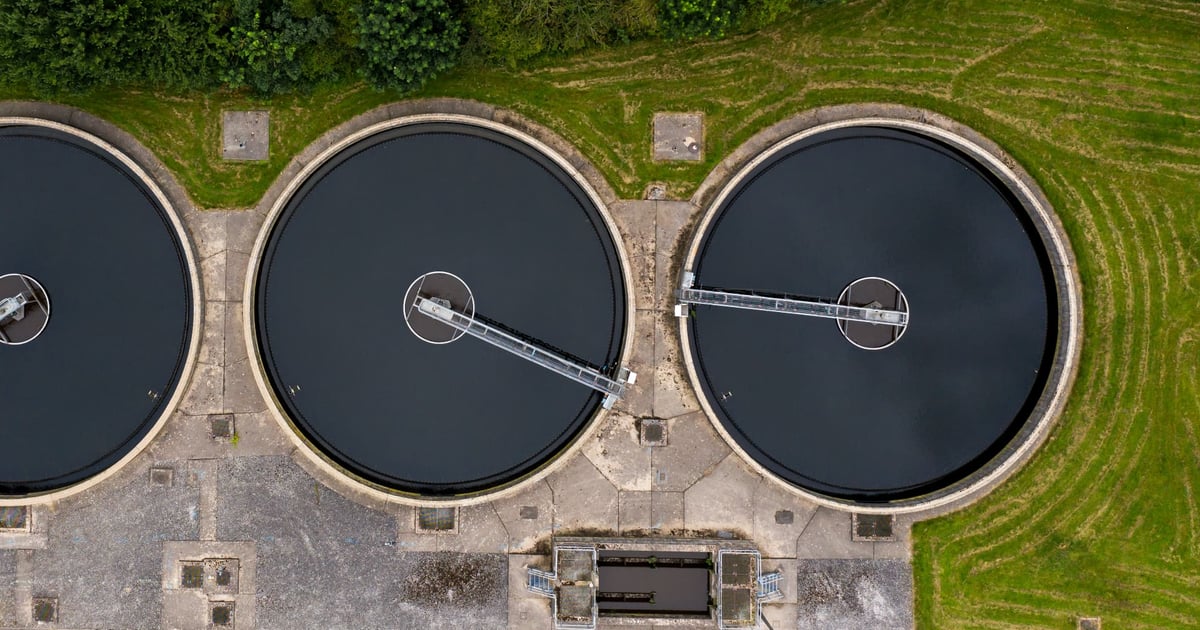
Cybersecurity vulnerabilities in critical infrastructure, especially within water systems, have come to light, with at least 97 major systems identified as having serious issues. These vulnerabilities not only threaten operational integrity but also pose risks to public safety and economic stability. Developers involved in building and maintaining software for these systems must recognize the gravity of these findings and the implications for their work.
The rise in cyberattacks targeting infrastructure underlines the need for robust security practices in software development. As noted in various reports, including those on CISA advisories, many water utility systems rely on outdated software and insecure configurations. Developers should prioritize upgrading systems and ensuring compliance with updated standards and regulations.
For instance, adopting the principles of NIST SP 800-53 can aid in implementing necessary security controls tailored to industry standards. Developers should be implementing security measures such as strong encryption protocols, secure access controls, and regular system audits to mitigate risks associated with vulnerabilities.
Moreover, understanding how these vulnerabilities can affect operational technology (OT) within water systems is crucial. Developers should engage in cross-disciplinary communication, working closely with OT engineers to ensure that applications seamlessly integrate security into both IT and OT environments. Initiatives like the ISA/IEC 62443 cybersecurity framework can provide a comprehensive guideline for securing industrial control systems (ICS), which are often the backbone of water treatment and distribution.
Moving forward, developers should anticipate increased scrutiny from regulatory bodies and the public regarding the cybersecurity posture of critical systems. Investing time in learning about threat modeling and risk assessment can equip developers with the tools to proactively identify and address vulnerabilities before they can be exploited. The integration of these practices into the development lifecycle—adopting secure coding practices, for example—will be vital as we see a trend towards more stringent cybersecurity mandates.
As cyber threats evolve, developers must remain vigilant and adaptive, continuously updating their skills and knowledge to protect not just the code they write but the communities that rely on safe and reliable water systems. The future will likely see a greater emphasis on collaborative cybersecurity efforts across sectors, where software engineers play a pivotal role in fortifying defenses.
“`

 Editorial Team


