 Editorial Team
“`html
Kubernetes AI Insights from KubeCon + CloudNativeCon NA 2024
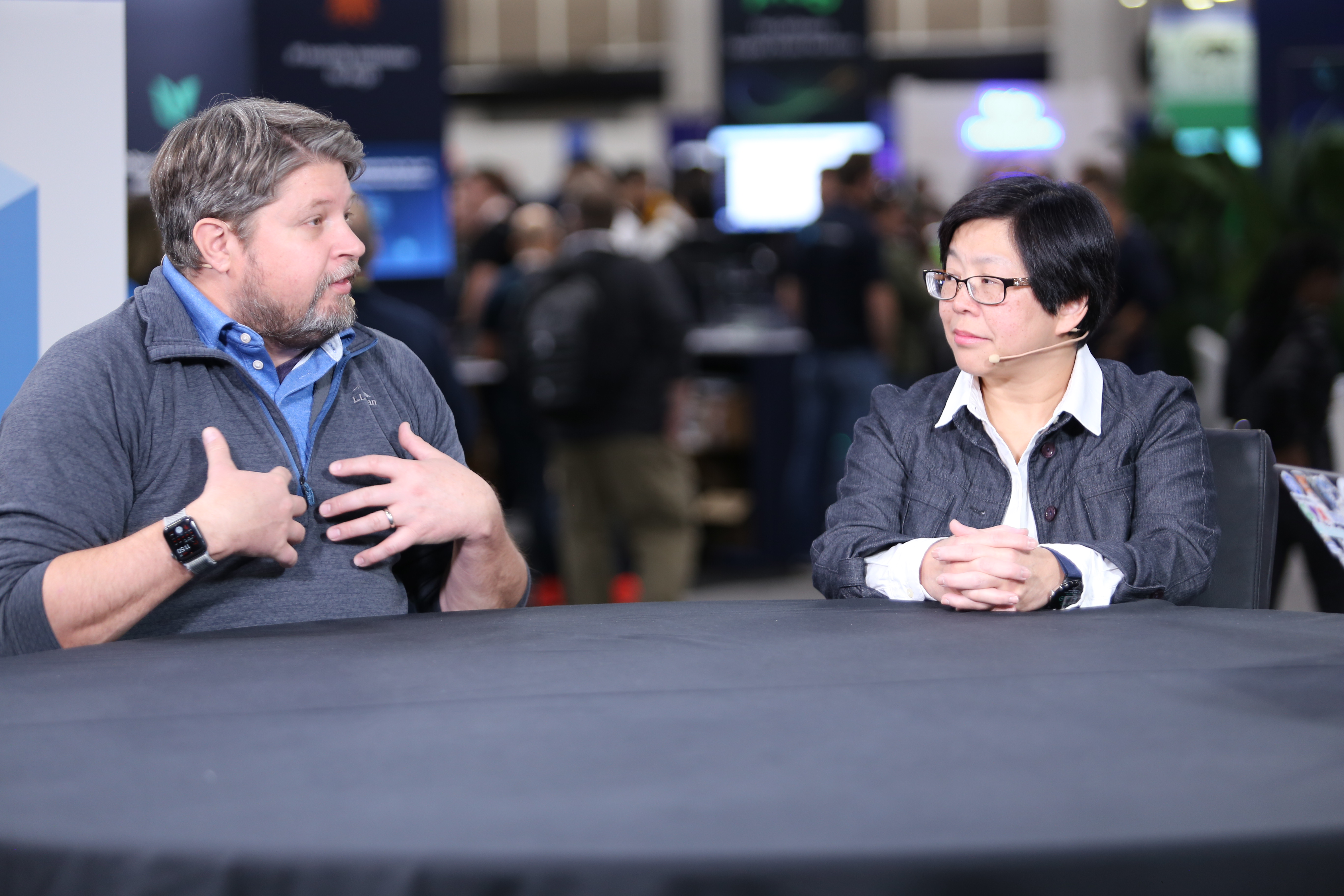
The recent KubeCon + CloudNativeCon NA 2024 served as a pivotal platform for exploring the nexus of Kubernetes and artificial intelligence (AI). As developers continually seek to enhance their operational workflows and application performance, three key insights emerged that are particularly relevant for those working in modern cloud-native environments.
First, the integration of AI within Kubernetes is advancing capabilities for predictive scaling and resource optimization. With the rise of machine learning models actively improving Kubernetes’ orchestration, developers can expect smarter autoscaling features that adapt based on historical usage data. By implementing tools such as the Prometheus Operator along with AI algorithms, teams can significantly reduce costs associated with over-provisioning while ensuring optimal performance during peak loads. This development tips the scale toward a more proactive rather than reactive approach in cloud resource management.
Secondly, open-source innovation continues to flourish, particularly in expanding AI toolsets tailored for Kubernetes. Projects like Kubeflow have matured, allowing developers to build and deploy machine learning workflows that are tightly integrated with Kubernetes. This evolution makes machine learning projects more accessible and manageable within containerized environments. As developers begin to adopt these tools, it is critical to follow best practices outlined in the Kubeflow installation docs to ensure optimized configurations that suit specific workloads.
Lastly, modernization tools that bridge the gap between legacy systems and modern containerized applications have garnered attention. Platforms like Red Hat OpenShift are pioneering this space, enabling developers to refactor or re-platform legacy applications toward cloud-native architectures without disrupting existing workflows. Embracing such tools allows development teams to modernize incrementally while preserving core functionality, making it easier to elevate their current systems in line with emerging cloud technologies.
As we look ahead, predictions for the Kubernetes landscape suggest that further intertwining of AI and cloud-native technologies will become commonplace. Developers should consider exploring AI-driven monitoring solutions such as Grafana for enhanced observability and quicker troubleshooting. Coupled with Kubernetes’ innate scalability, organizations can not only react to changes in application performance but also foresee potential issues before they arise.
Continuous adaptation and learning will be essential for developers aiming to leverage the full potential of these advancements. Staying informed through channels like Kubernetes Blog and community forums can provide ongoing insights into best practices and emerging trends in AI for Kubernetes. The evolution of cloud-native tools is set to reshape the development landscape, and proactive engagement will be key to capitalizing on these opportunities.
“`


